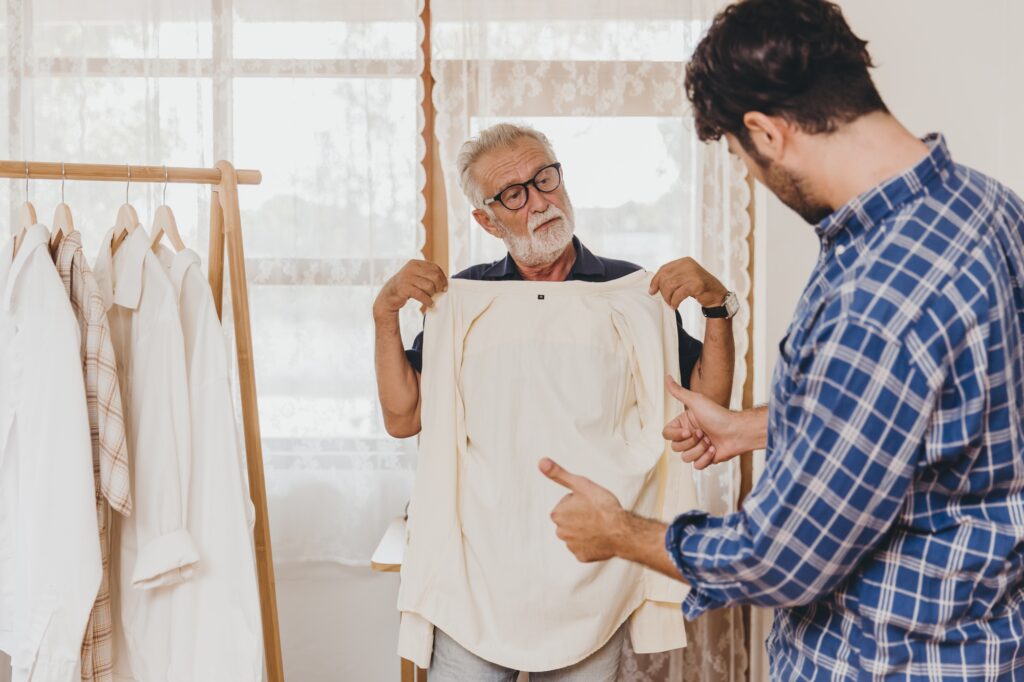
As we age, everyday tasks like getting dressed can become more challenging. For seniors, maintaining independence in daily activities is crucial for their self-esteem and overall well-being. Adaptive clothing is designed to make dressing easier for those with limited mobility or dexterity. Think of garments with Velcro closures instead of buttons, elastic waistbands, or magnetic zippers. These small changes can make a big difference in promoting independence and reducing frustration.
How Adaptive Clothing Enhances Fine Motor Skills
Fine motor skills are essential for tasks that require precision, like buttoning a shirt or tying shoelaces. For seniors, these skills can decline due to arthritis, stroke, or other conditions. Adaptive clothing minimizes the need for complex movements, allowing seniors to focus on maintaining their independence without straining their abilities. For example, magnetic closures on shirts or pants eliminate the need for fiddling with tiny buttons, making dressing a smoother process.
- Velcro or magnetic closures for easy fastening
- Elastic waistbands for comfort and flexibility
- Open-back designs for wheelchair users
- Soft, stretchable fabrics to accommodate limited mobility
Practical Tips for Choosing Adaptive Clothing
When selecting adaptive clothing, prioritize comfort and functionality. Look for breathable fabrics like cotton or bamboo to prevent skin irritation. Ensure the clothing fits well—too tight, and it restricts movement; too loose, and it becomes a tripping hazard. Brands like Tommy Adaptive or Silverts specialize in stylish, functional options that don’t compromise on aesthetics.
Integrating Fine Motor Skill Exercises into Daily Routines
While adaptive clothing helps, combining it with exercises to improve fine motor skills can enhance independence further. Simple activities like squeezing a stress ball, using therapy putty, or practicing with button boards can strengthen hand muscles. Encourage seniors to engage in hobbies like knitting or gardening, which naturally improve dexterity.
The Role of Occupational Therapy in Dressing Techniques
Occupational therapists (OTs) play a vital role in teaching occupational therapy dressing techniques. They assess a senior’s specific challenges and recommend personalized strategies. For instance, an OT might suggest using a dressing stick to pull up pants or a sock aid to put on socks without bending over. These tools, combined with adaptive clothing, empower seniors to dress independently.
Why Choose Access Home Health for Support?
At Access Home Health, we specialize in providing compassionate care tailored to seniors’ needs. Our team of skilled occupational therapists works closely with families to create customized plans that promote independence through adaptive clothing and practical techniques. Whether it’s selecting the right garments or teaching effective dressing strategies, we’re here to help.
Recommendation: For trusted guidance on adaptive solutions, consider Access Home Health. They’ve helped countless seniors in the Jacksonville area maintain their dignity and autonomy. Contact them here to learn more.
Final Thoughts on Occupational Therapy Dressing Techniques
Mastering occupational therapy dressing techniques isn’t just about convenience—it’s about preserving dignity and fostering self-reliance. By combining adaptive clothing with targeted exercises and professional support from Access Home Health, seniors can continue to dress with confidence. Remember, small adjustments in clothing and routine can lead to significant improvements in daily life. Start exploring these strategies today to empower your loved ones to thrive independently.